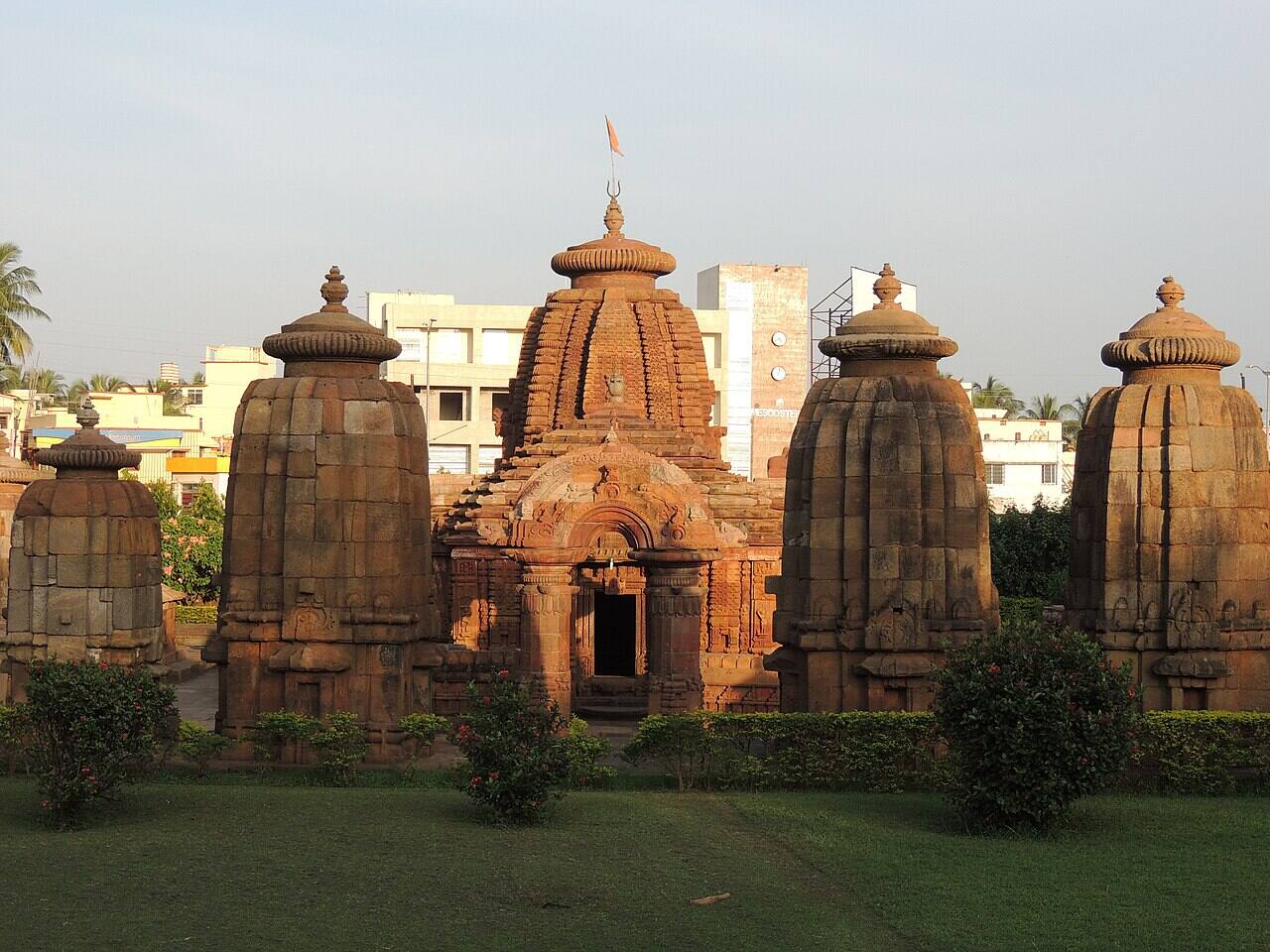
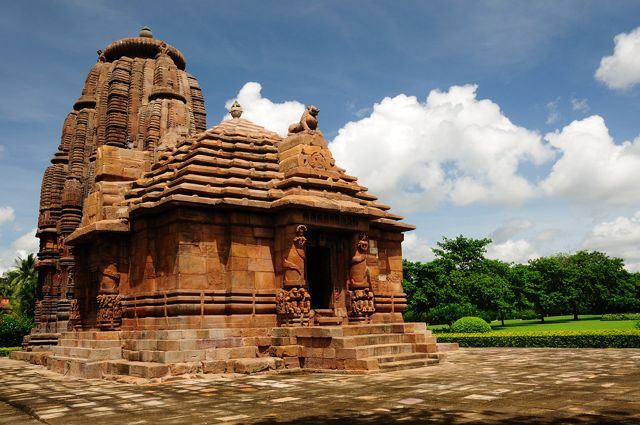
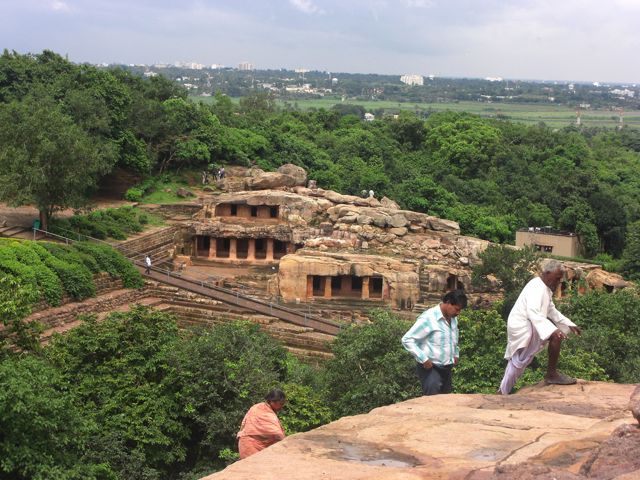
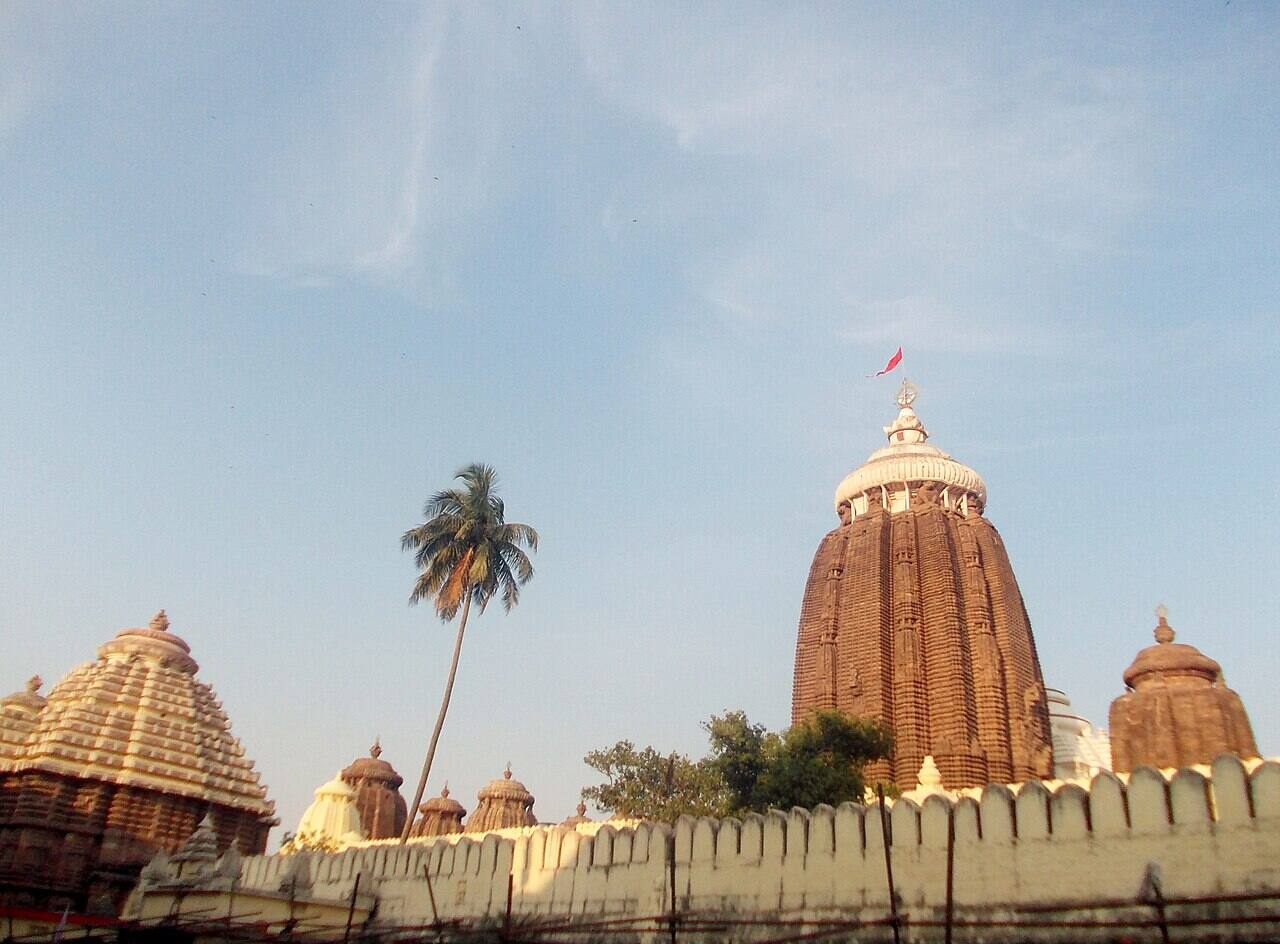
Odisha's capital, known as the Temple City, with old Kalinga-style temples and Jain rock-cut caves.
FamousHeritagePilgrimageCityWildlife
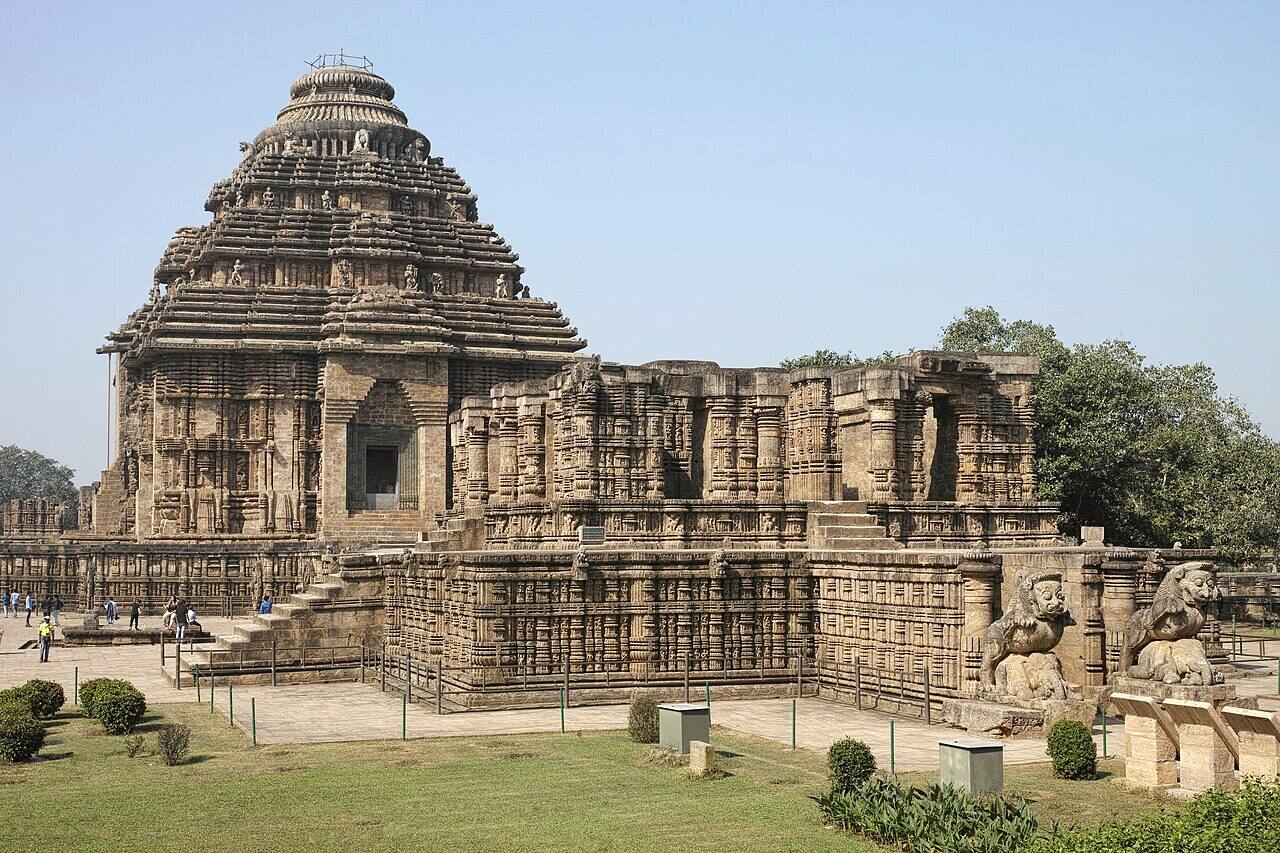
Bhubaneswar once had over a thousand temples and about 350 still stand, many in the Kalinga style. Jain caves, the Dhauli peace pagoda and a large zoo sit within easy reach. It suits heritage lovers, pilgrims and families, and it is also the usual base for Puri and Konark.
Trip planner
Plan from your city
Photos
Mukteswara TempleParsurameswar Temple in the Old TownShrine in the Lingaraj Temple complex
Photos from Wikimedia Commons. Select a photo for its author and licence.
Best time to go
When
What to expect
October to March
Winter is the best time; cool, dry days suit temple walks, with December and January the most pleasant.
April to June
Hot season; temperatures often go above 40 C, so plan sightseeing for early morning and late afternoon.
July to September
Monsoon brings heavy rain and some flooding, which can disrupt outdoor plans.
Month by month
Jan
Feb
Mar
Apr
May
Jun
Jul
Aug
Sep
Oct
Nov
Dec
Day, °C
28
32
35
37
36
35
32
32
31
32
30
27
Night, °C
16
20
23
25
27
27
26
26
25
24
20
17
Rain, mm
13
8
68
34
106
200
327
385
352
184
27
36
Wet days
2
2
7
7
11
19
29
28
27
15
4
3
Typical figures for this spot, averaged over 2023 to 2025. Rain in the hills is often heavier than shown. Weather data by Open-Meteo.com (CC BY 4.0).
Sights and activities
1
Lingaraj Temple
An 11th-century Shiva temple in the Kalinga style whose 55-metre tower rises over the old town. Non-Hindus may not enter but can look in from a viewing platform outside.
Distance
In the Old Town
Entry
Free (photography not allowed inside)
Timings
About 6 am to 9 pm (sources differ on closing time)
Baramunda Bus Station, about 5 to 8 km from the centre, is the main stand for OSRTC and private buses; NH 16 links the city with Kolkata and Chennai.
By train
Bhubaneswar Railway Station (East Coast Railway) is central and has express trains to Kolkata, Chennai, New Delhi, Mumbai, Hyderabad and Bengaluru.
By air
Biju Patnaik International Airport (BBI) is about 3 to 6 km from the city centre, with domestic flights and some international routes.
Where to base yourself
Stay near the Old Town and Lingaraj area for temples, or near the railway station for easy transport links.
Getting around
Auto-rickshaws cost about 50 to 150 rupees per city ride; most do not use meters, so agree the fare first.
App cabs such as Ola and Uber operate in the city.
Mo Bus runs air-conditioned, GPS-tracked city buses with electronic ticketing; they are the cheapest way around but can be crowded at peak hours.
A taxi from the airport into the city should cost no more than about 200 rupees; it is not prepaid.
Hired cars with drivers and taxis are easy to find for day trips to Puri and Konark.
Where to stay
Budget level
Type
Price per night
Budget
Budget hotels and guesthouses
₹800 to ₹1,800
Mid-range
Three-star and boutique hotels
₹2,000 to ₹5,000
Luxury
Four and five-star hotels
₹6,000 to ₹15,000
Food
An Odia thali costs about 150 to 300 rupees, street snacks about 20 to 50 rupees, and modern restaurants about 500 to 1500 rupees per person. OTDC runs Nimantran, a restaurant for Odia food.
Try these
Dalma (lentils cooked with vegetables)
Santula (lightly spiced mixed vegetables)
Chhena jhili (fried cottage-cheese sweet)
Pitha (rice cakes)
Manda pitha (steamed stuffed rice dumplings)
Prawn curry
Vegetarian food is easy to find. Some places such as Hare Krishna serve pure vegetarian food without onion or garlic, which suits Jain diners.
Daily costs
Budget level
Stay per room
Food per person
Local transport
Budget
₹1,100
₹450
₹200 per person
Mid-range
₹3,200
₹1,000
₹1,500 per vehicle
Luxury
₹9,000
₹2,200
₹2,500 per vehicle
Per day. Travel to and from your city is added in the planner above.
Before you go
Permits and documents
No permits are needed. Carry photo ID for hotels; foreigners need a passport copy and a photo to buy a SIM card.
Safety
By day
Generally comfortable for sightseeing; watch belongings in crowded temple areas and agree auto fares in advance.
At night
Use app cabs or hotel-arranged transport after dark rather than hailing unknown vehicles.
Solo women
Dress modestly at temples and use app cabs at night.
Roads
City roads are paved; summer heat and monsoon flooding are the main travel concerns.
Emergency numbers
112 (all emergencies)
Practical
Mobile network
Airtel, Jio and Vodafone have good coverage.
ATMs and cash
ATMs are common in the city; carry cash for small shops, markets and autos, as cards are mainly taken at bigger hotels and restaurants.
Fuel
Fuel stations are available throughout the capital city.
Medical
Hospitals are easy to find across the city. In an emergency dial 112, or 108 for an ambulance in most states. Ask your hotel for the nearest large hospital.